
When the Body Can’t Clear Microplastics: Cancer as Emergency Sequestration
Cancer cells engulf microplastics and store them for safekeeping. While other cancer theories struggle to explain this, Toxin Sequestration Theory argues that cancer does this to detoxify the body.

Welcome to my blog! My blog series is focused on elucidating the mystery of cancer. In my opinion, the biggest mystery that other cancer theories cannot explain is why cancer stores toxins. Whether it’s mainstream medicine’s “somatic mutation theory” or Thomas Seyfried’s “metabolic theory of cancer”, none of them offer a clear explanation for cancer’s deep love for toxic chemicals.
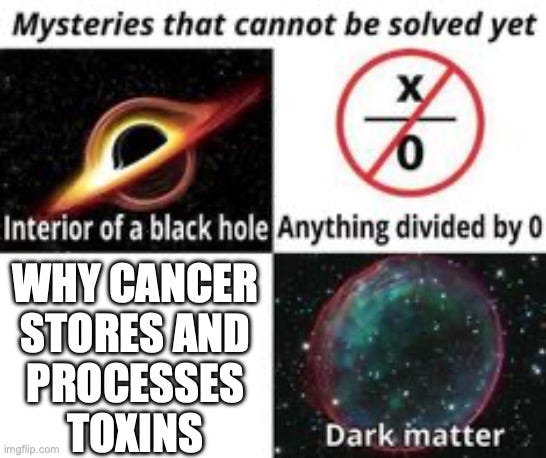
No self-centered living organism should love toxins. This raises the question: is cancer really self-centered? Or is cancer actually an unselfish team player? Are cancer cells sacrificing themselves for the good of the body?
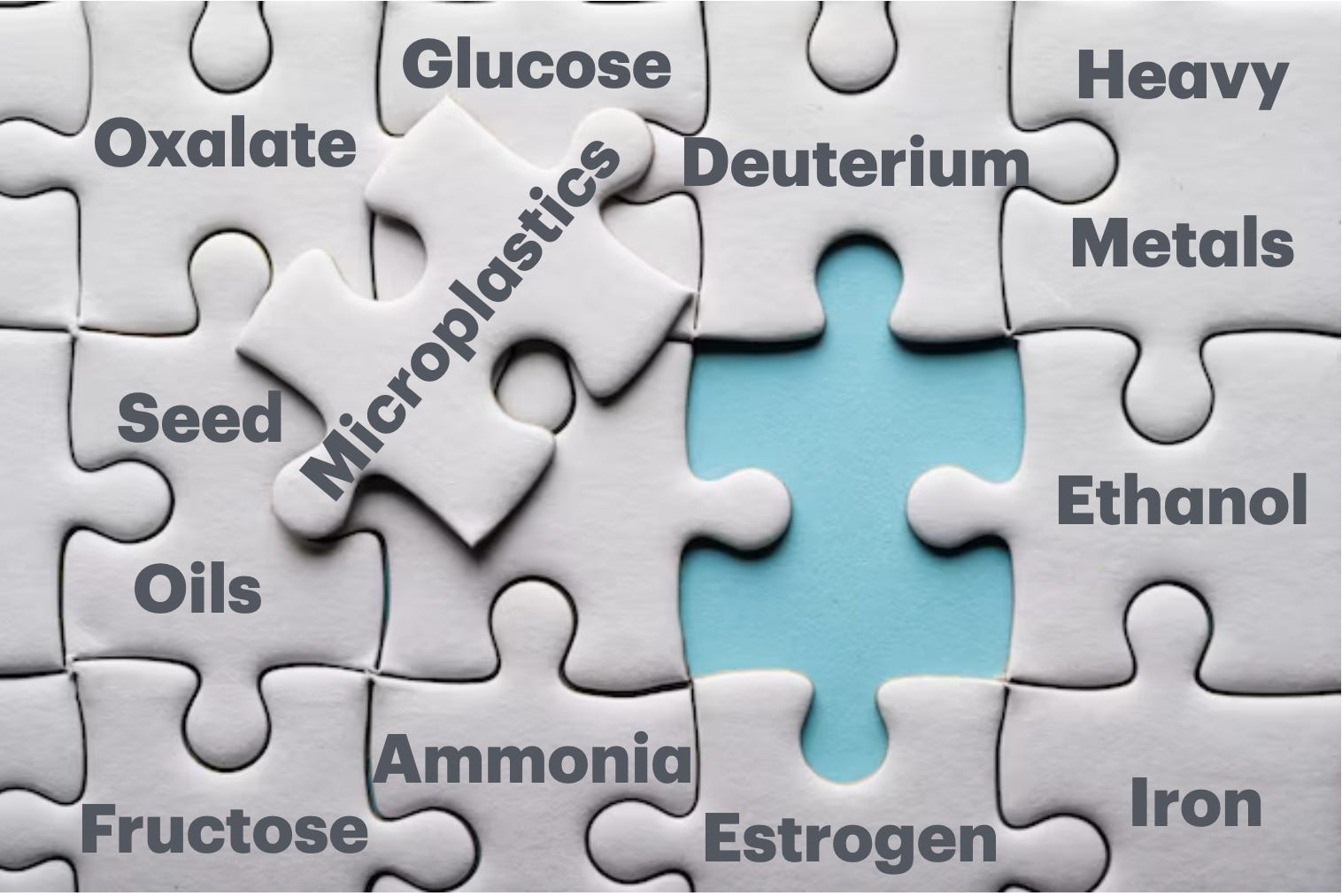
These questions led me to propose my Toxin Sequestration Theory (TST) of cancer. TST builds on the pioneering research of MIT professor Stephanie Seneff, who first proposed that cancer unselfishly sequesters deuterium to help the body. I extended her theory to a long list (see figure below) of other toxins that cancer sequesters. In this post, I will add yet another toxin to this list: Microplastics.
Just this week, on April 2, 2026, RFK Jr announced a new initiative called the STOMP program — $144 million dedicated to studying, measuring, and ultimately removing microplastics from the human body and drinking water. So I’m writing this post as a timely discussion of the toxicity of microplastics and their role in cancer.
Main Sources of Microplastics
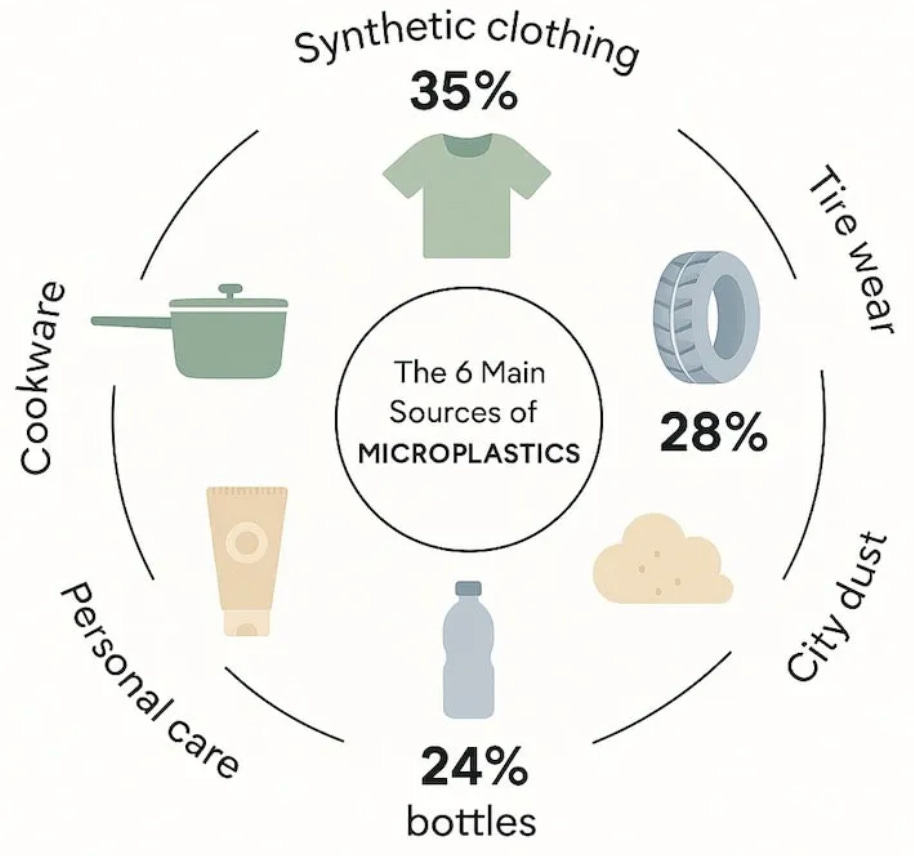
People are already familiar with microplastics and where they come from. But just to review, here are the main sources:
Food and beverage packaging: Plastic bottles, containers, tea bags, and cling wrap shed tiny particles directly into food and drinks — especially when heated in a microwave.
Drinking water: Bottled water often contains far higher levels than tap water. Even tap water is contaminated through aging plastic pipes and treatment processes.
Car tires: Tire wear on roads generates vast quantities of fine particles, which are considered as microplastics. They become airborne as dust or settle on roads and can be inhaled or ingested through contaminated food and water.
Synthetic clothing: Wearing and washing polyester, nylon, and other synthetic fabrics releases millions of microfibers that can be inhaled or absorbed through the skin.
Personal care products: Many toothpastes, facial scrubs, body washes, and cosmetics still contain microbeads or synthetic polymers that are applied directly to the skin or mouth and then washed off or absorbed.
Air and household dust: Indoor dust and outdoor air are loaded with microplastic fibers from clothing, carpets, and furniture, which are easily inhaled or ingested.
Microplastics accumulate in various organs
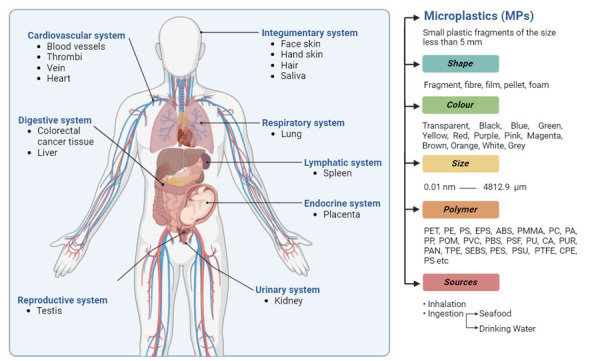
Microplastics represent a uniquely modern and persistent form of environmental overload. These tiny plastic fragments (typically smaller than 5 mm, with nanoplastics under 1 μm) enter the human body everyday. Because these particles are so tiny, they readily cross biological barriers, enter the bloodstream, and accumulate in human tissues over a lifetime. Unlike many chemical toxins, microplastics are largely non-biodegradable, so the body has limited natural mechanisms for breaking them down or clearing them efficiently. The primary means that the body excretes microplastics is through the feces, while urine is a secondary means of excretion.
Once inside, microplastics do not simply pass through. They accumulate in multiple organs, often at surprisingly high levels. Recent human autopsy studies have detected them in the liver, kidneys, small intestine, lungs, heart, spleen, thyroid, and notably the brain — sometimes at concentrations 7 to 30 times higher than in the liver or kidneys. Brain tissue from individuals with dementia has shown even greater accumulation. To be clear, the fact that microplastics accumulate in multiple organs is not unique, as other toxins like oxalate and copper also accumulate in organs.
Microplastics as toxins that generate ROS
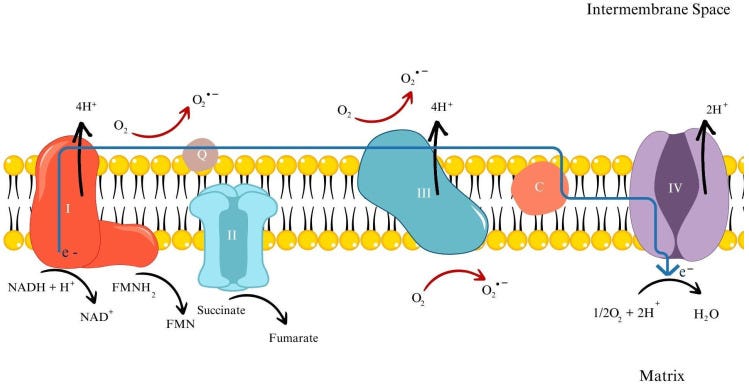
Microplastics don’t just sit passively in the body — they actively trigger oxidative stress through several direct mechanisms. Once inside cells, microplastics (and especially the smaller nanoplastics) disrupt mitochondrial function. They interfere with the electron transport chain, causing electrons to leak and react with oxygen to produce superoxide and other reactive oxygen species. This mitochondrial dysfunction creates a sustained source of intracellular ROS.
In addition, microplastics actively trigger inflammation and recruit immune cells, particularly macrophages, which respond by producing bursts of ROS through the enzyme NADPH oxidase. This creates a self-reinforcing cycle of oxidative stress. The particles also directly deplete key intracellular antioxidant defenses, most notably glutathione, one of the cell’s primary shields against oxidative damage. As glutathione levels fall, cells become significantly more vulnerable to ROS-induced injury.
Smaller nanoplastics are especially harmful because they can cross cellular membranes more easily, penetrate deep into the cell — sometimes even reaching the nucleus — and catalyze widespread lipid peroxidation in cell membranes. This process damages the structural integrity of the cell.
The net result is a persistent, low-grade production of ROS that adds to the body’s existing redox burden from other toxins. Unlike many soluble chemical toxins that the liver can attempt to metabolize and excrete, microplastics are solid, non-biodegradable particles that remain in tissues for years, continuously generating oxidative stress. (In this sense, they are similar to oxalate crystals.) In Toxin Sequestration Theory, this chronic ROS production helps explain why cancer cells sequester and store microplastics (as I will discuss below).
The Body’s Normal Defense Systems
The human body has several layers of defense against microplastics, but these systems are poorly equipped to handle this modern pollutant.
In the lungs, alveolar macrophages attempt to engulf and clear inhaled microplastic particles, while the mucociliary escalator works to move them upward for expulsion. In the digestive tract, the intestinal mucus layer and gut-associated immune cells try to trap and eliminate ingested particles. Once particles enter the bloodstream, the liver and kidneys serve as the primary detoxification and filtration organs, attempting to break down or excrete foreign material through bile or urine.
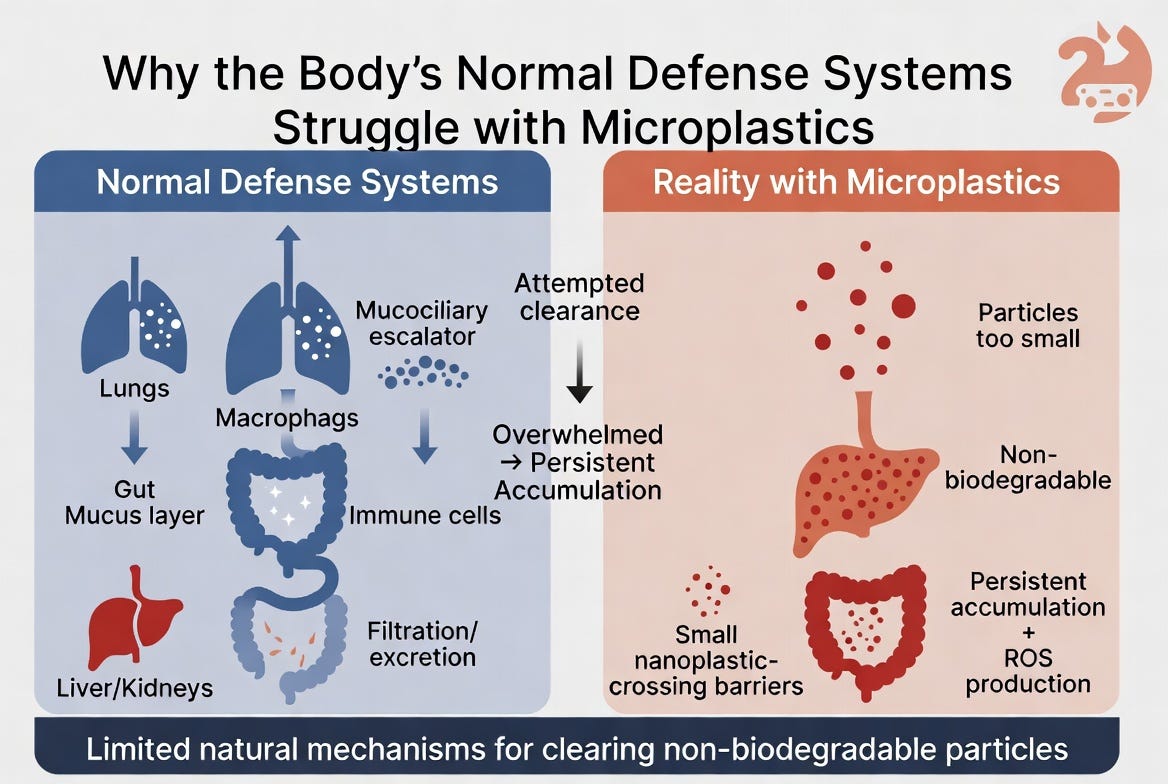
However, these defenses are largely ineffective against microplastics. Many particles are too small (especially nanoplastics) to be efficiently cleared by macrophages or the mucociliary system. Their non-biodegradable nature means the liver and kidneys have no effective enzymes to break them down. Instead of being removed, microplastics often persist, translocate across barriers, and accumulate in tissues over time. Modern lifestyle factors — such as chronic inflammation and fatty liver disease (driven by seed oils and excess sugar) — further impair these clearance mechanisms.
When the body’s primary defense and clearance systems are overwhelmed by the sheer volume and persistence of microplastics, along with the chronic ROS they generate, it appears to recruit tumor tissue as a secondary, emergency containment strategy. In Toxin Sequestration Theory, tumors function as a “backup liver” or “overflow tank,” attempting to isolate both the plastic particles themselves and the oxidative stress they produce.
Microplastics are found at higher levels in cancer cells
Recent studies have found that microplastics accumulate at significantly higher levels in cancer cells and tumor tissue compared to surrounding healthy tissue. In one analysis of prostate cancer samples, microplastic concentrations were approximately 2.5 times higher inside the tumor than in adjacent normal prostate tissue. Similar patterns of preferential accumulation have been observed in colorectal, lung, and breast cancers. This is likely because cancer cells internalize microplastics and nanoplastics more efficiently than normal cells, as I will now discuss.
Cancer cells upregulate endocytosis
Cancer cells frequently upregulate macropinocytosis, a non-selective form of bulk endocytosis that allows them to engulf large volumes of extracellular fluid and particles. This process is particularly elevated in pancreatic, colorectal, and lung cancers, as well as certain breast and prostate tumors. Unlike receptor-mediated endocytosis, macropinocytosis is a “drinking” mechanism that enables cancer cells to internalize significant amounts of surrounding material without needing specific transporters.
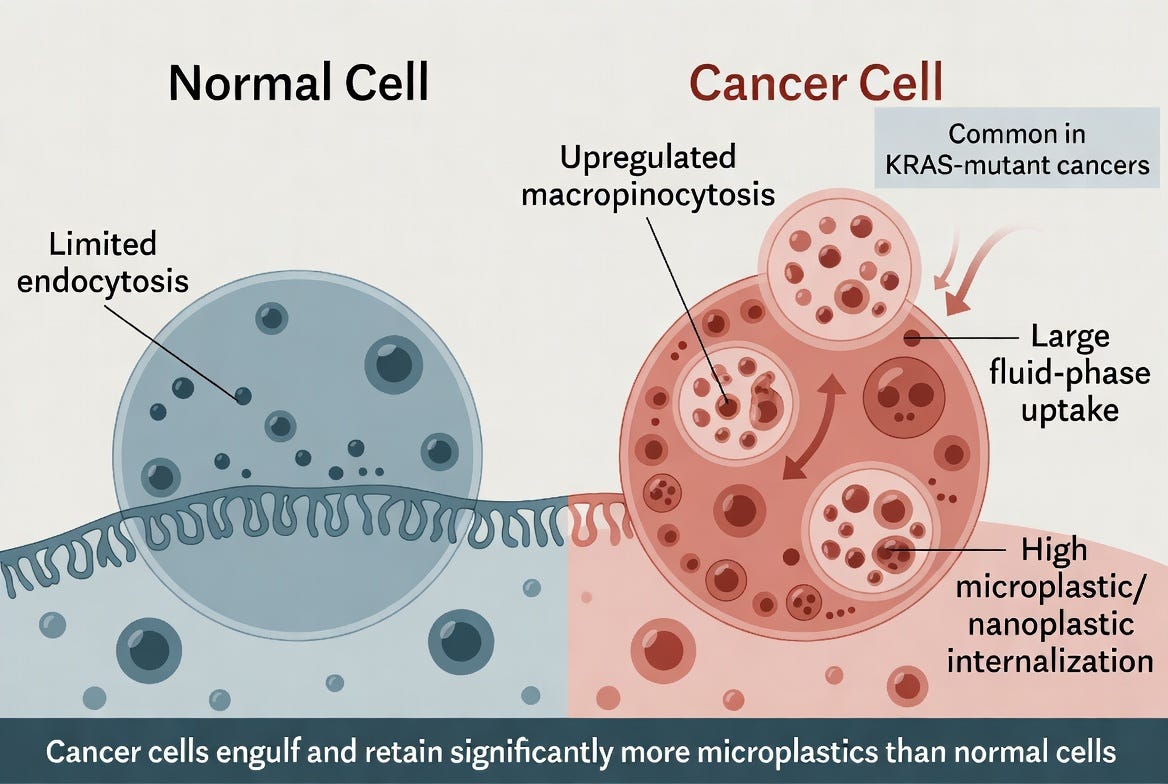
This heightened endocytic activity gives cancer cells a clear advantage in taking up microplastics and nanoplastics. Studies comparing cancer cell lines to normal epithelial cells consistently show that cancer cells internalize polystyrene and other micro/nanoplastics at significantly higher rates. Smaller nanoplastics (<1 μm) are especially readily absorbed through these bulk pathways and tend to accumulate in lysosomes or get distributed to daughter cells during division. As a result, tumor tissues often contain substantially higher concentrations of microplastics than adjacent healthy tissue. In the context of Toxin Sequestration Theory, this increased uptake capacity allows tumors to act as an effective emergency sink — sequestering both the persistent plastic particles and the chronic ROS they generate, thereby limiting systemic oxidative damage when normal clearance systems are overwhelmed.
Cancer stores microplastics in lysosomes
Once inside a cancer cell, microplastics and nanoplastics are rapidly trafficked into endosomes and lysosomes, where the cell attempts to sequester them away from the rest of the cytoplasm. Because these particles are non-biodegradable, lysosomes cannot fully degrade them, so the particles often accumulate within these membrane-bound compartments. This lysosomal sequestration serves as a primary containment strategy. In response to the ongoing oxidative stress caused by the trapped particles, cancer cells upregulate antioxidant systems — including superoxide dismutase (SOD), glutathione-related enzymes, and aldehyde dehydrogenases (ALDH) — to help neutralize the ROS generated inside and around the lysosomes. They may also increase autophagy to manage damaged organelles and protein aggregates. While these mechanisms are imperfect and can eventually lead to lysosomal overload, they allow the tumor to isolate both the persistent plastic particles and their associated ROS more effectively than normal cells. In Toxin Sequestration Theory, this lysosomal sequestration combined with enhanced antioxidant defenses enables the tumor to function as an emergency storage and mitigation compartment, limiting the spread of oxidative damage to the rest of the body.
Mainstream Medicine Struggles With This Story
Mainstream oncology typically explains the link between microplastics and cancer through a straightforward causal chain: microplastics cause chronic inflammation and direct cellular damage → DNA mutations accumulate → cancer develops.
For the moment, let’s ignore the fact that nuclear transfer experiments proved that DNA mutations are not the cause of cancer (hence disproving the entire “somatic mutation theory”). Even ignoring this, mainstream medicine cannot explain these important observations:
Why do tumor tissues often contain significantly higher concentrations of microplastics than surrounding healthy tissue?
Why do cancer cells show markedly higher uptake and retention of microplastics compared to normal cells?
And why do tumors consistently upregulate antioxidant and protective enzymes (such as SOD, glutathione systems, and ALDH) precisely in response to the oxidative stress generated by these particles?
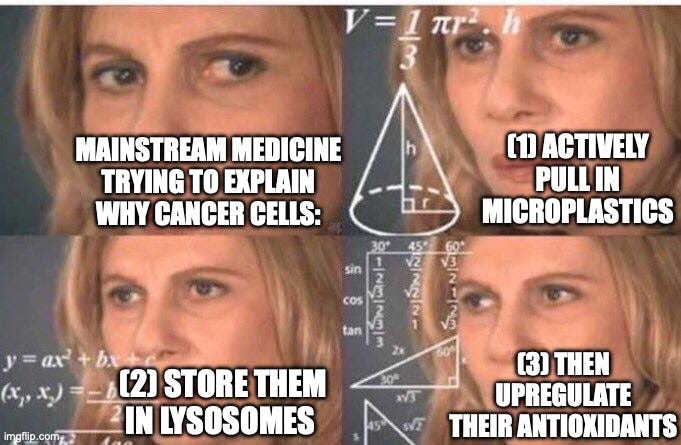
For all practical purposes, mainstream medicine has no reasonable explanations for these observations. Meanwhile the explanation is so simple: cancer tumors are providing a service to the body. Cancer tumors sequester and store microplastics to protect the body from their toxic effects. It doesn’t take a genius to understand this! It’s just common sense. Occam’s Razor says that the simplest theory is the one that’s most likely to be correct, and there’s no theory of cancer that’s simpler than Toxin Sequestration Theory.
In TST, when the body’s normal clearance systems (lungs, gut, liver, and kidneys) are overwhelmed by the persistent accumulation of non-biodegradable microplastics and the chronic ROS they produce, the body builds tumor tissue as a secondary, adaptive containment compartment. The increased uptake via endocytosis, lysosomal sequestration of particles, and upregulation of antioxidant systems are not selfish tumor survival tactics. They represent the body’s attempt to isolate both the plastic particles and the oxidative stress they generate, thereby protecting the rest of the organism from more widespread damage.
The harsh reality of microplastic exposure
The unfortunate truth is that limiting exposure to microplastics is very hard. Some of the other toxins that I’ve covered in my blogs, like glucose, fructose, oxalate, seed oils, and deuterium, can all be dramatically reduced simply by going on a strict carnivore diet. It’s very powerful when a single dietary intervention can eliminate multiple ROS-generating toxins, and that’s why I personally believe that the carnivore diet is the best approach to preventing the toxic overload associated with cancer.
But it’s virtually impossible, in today’s society, to eliminate exposure to microplastics. Essentially all food is packaged in plastic, and I don’t see that changing anytime soon. All children’s toys are made of plastic. Every car tire on the road is releasing microplastics.
Nevertheless, there are some obvious steps to take. With drinking water, drink out of glass (rather than plastic) bottles, and of course filter any tap water with a high quality filter to remove microplastics. Never heat food in plastic. Avoid wearing clothing with synthetic fabrics. Minimize personal care products that contain synthetic polymers.
With that said, I believe people should focus most of their effort on eliminating some of the other toxins that I’ve covered in my previous blog posts. The harsh reality is that microplastic exposure is really hard to eliminate in practice.
In my opinion, the right way to deal with microplastics is to minimize every other source of ROS in your life. Get rid of every other toxin that I’ve mentioned in my blog series, and then your body will be better able to handle the everyday unavoidable exposure to microplastics and the ROS they create.
Is RFK doing the right thing?
This blog post clearly establishes that microplastics are toxins that create ROS, so they are clearly bad. Yet I believe RFK is mis-prioritizing the government’s resources, by focusing on microplastics. The problem is that microplastics cannot be removed in an easy way from everyday life. So I worry the end result of RFK’s microplastics initiative will be that: microplastics are bad but there’s nothing we can do about it.
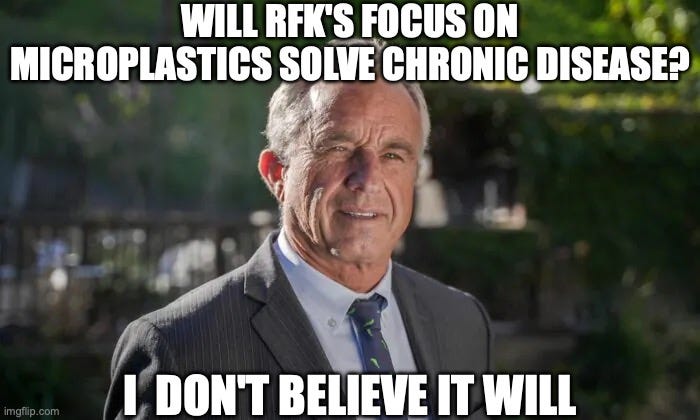
Imagine, instead, that RFK had a government initiative to study and remove sugar, oxalates, deuterium, and seed oils from our everyday lives. That would actually make a real difference, and it could be practically feasible. After all, I personally have eliminated those toxins from my life, with my strict diet. Moreover, there’s very little research on oxalates and deuterium - most people have never heard of them. Microplastics, in contrast, are already hyped up in the health media.
To put RFK’s focus on microplastics in perspective, our own government could easily solve the iron overload epidemic simply by stopping the fortification of foods with non-heme iron. This wouldn’t require any research — just stop adding non-heme iron to foods, and it would make a major difference in reducing Americans’ health issues.
Conclusion
In summary, I have argued that:
Other theories of cancer struggle to explain why microplastics are found at high levels in cancer cells, and why cancer cells actively pull in microplastics.
In contrast, microplastics fit in perfectly with Toxin Sequestration Theory since they create ROS, and TST predicts that ROS-generating toxins are stored by cancer cells.
Cancer cells upregulate an endocytosis pathway called macropinocytosis, which allows them to engulf microplastics and hence pull them out of the body fluids.
Once inside cancer cells, microplastics are stored in endosomes and lysosomes.
Cancer cells then upregulate their antioxidants, like glutathione, to mitigate the oxidative effects of microplastics.
All of these points support the perspective of TST! Thanks for reading and let me know your thoughts in the comments.
I left a comment about an old study where a patient had recieved a vaccine developed with monkey cells. Later in life the person developed a brain tumer. The tumer was removed and examined. There were monkey cells in the center of this tumer. This seems to indicate that possibly the cancer identified these cells as ailien particles and attempted to isolate them. Any thoughts?
Keep em coming. Any ideas why cancer tumors form in particular areas of the body?