
Copper Overload: Why Cancer Cells Become the Body’s Copper Vault
Widespread copper exposure - from IUDs, water pipes, jewelry, pesticides, and plant foods - is driving infertility and mental disorders, and forcing our bodies to build tumors to store copper.

Welcome readers! In this blog series, my only motivation is to uncover the truth. Even if 99% of people are saying the opposite thing from me, I will still state the truth.
This is my attitude with cancer. While most people are stuck on cancer being selfish and malignant, my Toxin Sequestration Theory (TST) says that cancer is not a disease - it’s something the body builds on purpose as a defense mechanism.
This is also my attitude with copper. For me, copper is personal. I’m currently in the middle of a copper detox. It’s the most challenging health process I’ve even been through, and I’ve already gone through an oxalate detox. Copper dumping (where the body dumps copper out of storage and into the body fluids) is even worse than oxalate dumping. Anxiety, insomnia, irritability, sadness, fatigue, headaches — these are all the fun things you get to experience during copper dumping!

Garrett Smith, my go-to source for copper information, once said: “The most dangerous toxins are the ones you think are good for you.” I love that quote. Let that quote sink in, because it has widespread implications.
Most people think of copper as an essential nutrient — something you need for energy, connective tissue, and brain function. As you read this, health influencers are on social media right now promoting copper water bottles and copper supplements. Even people that I deeply respect, some carnivore doctors, promote eating liver despite it’s high copper content.
But few realize that copper becomes a potent toxin when levels rise too high. Free copper catalyzes the Fenton reaction, creating the most dangerous reactive oxygen species (ROS). This oxidative stress damages mitochondria, lipids, and DNA. Because of this toxicity, excess copper is quietly driving the infertility crisis and the mental health crisis in America right now.
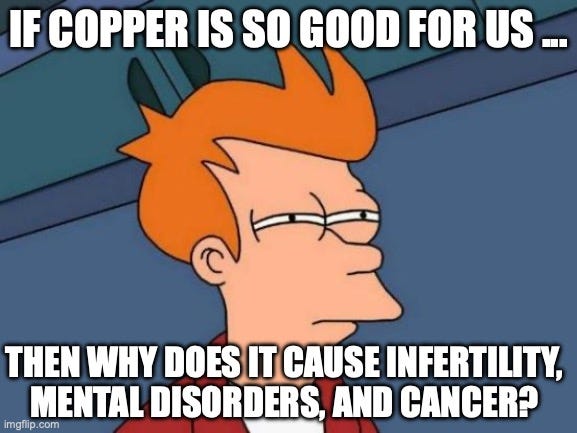
To put it bluntly: If copper is so good for us, then why is it a carcinogen?
Many “aggressive” cancers show a striking pattern: they actively pull in more copper and tightly regulate it inside the tumor. We can understand why cancer loves copper from the viewpoint of Toxin Sequestration Theory (TST). When the body’s primary copper regulation system (in the liver) becomes overwhelmed, it deploys a backup strategy of building secondary copper vaults. Tumors often serve this exact purpose: they sequester, compartmentalize, and attempt to manage excess copper to prevent it from causing widespread systemic damage.
This post explores copper through the lens of TST so that we can better understand cancer’s affinity for copper.
Sources of Copper Toxicity in Modern Life
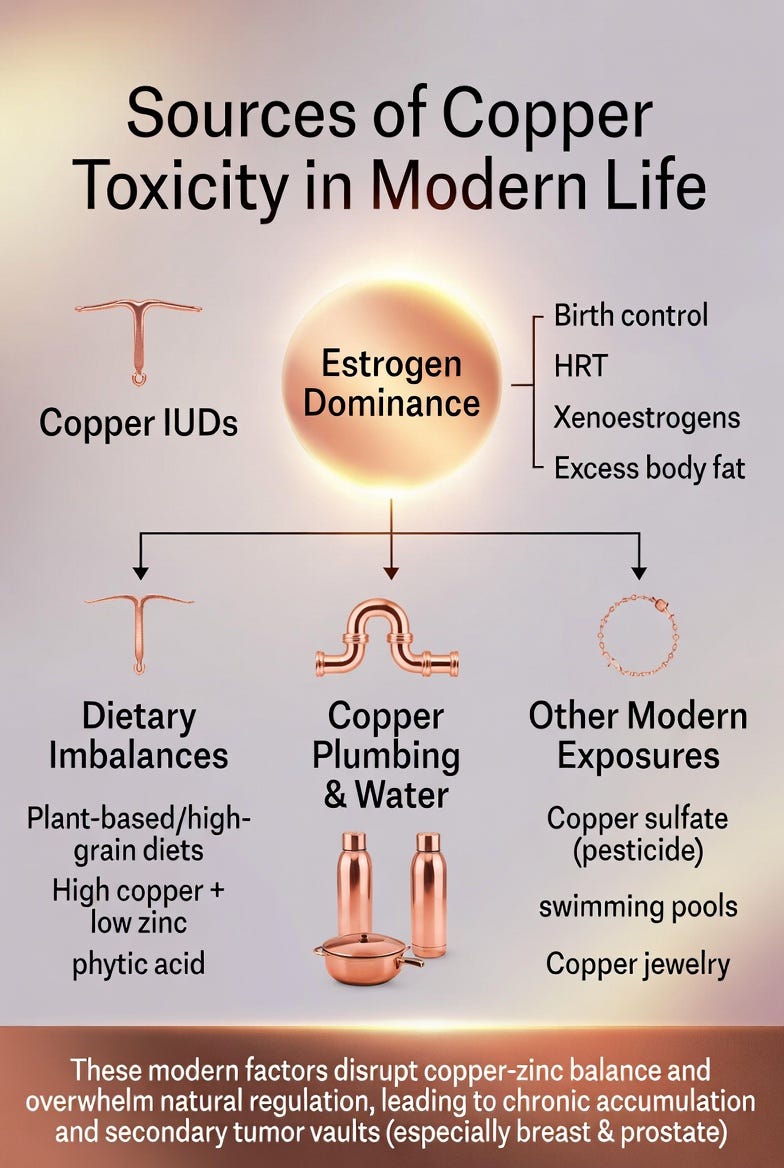
It’s difficult to avoid copper in modern life. Common sources include:
Estrogen dominance: Birth control pills, HRT, xenoestrogens, and excess body fat all sharply increase copper retention and absorption.
Copper IUDs: These devices release copper directly into the body, creating chronic exposure.
Copper plumbing: Soft or acidic water leaches copper from pipes into drinking water and food.
Plant-based and high-grain diets: Many plant foods (especially nuts, seeds, legumes, chocolate, and whole grains) are relatively high in copper but low in zinc. Additionally, phytic acid and other plant defense compounds bind zinc in the gut, reducing its absorption. The resulting low zinc-to-copper ratio removes a key natural brake on copper uptake.
High-dose supplements and multivitamins: Many common supplements deliver copper in forms that can accumulate, especially when zinc intake is low.
Other modern exposures include: skin absorption from copper jewelry, swimming pool exposure from copper used as an algaecide, and dietary exposure to copper sulfate, which is widely used as a pesticide on crops (even in “organic” farming).
This combination — elevated copper intake, reduced zinc protection, and estrogen-driven retention — creates chronic copper accumulation. Over time, the body is forced to build secondary copper vaults, particularly in breast and prostate tissue.
Resources on copper toxicity
My favorite resources on copper toxicity are the following people. Please check out their social media profiles for more info on copper:
Dr. Robert Selig
Dr. Garrett Smith
Dr. Courtney Snyder
Rick Fischer & his website coppertoxic.com
I don’t trust social-media health influencers. I only trust people with clinical experience in healing patients who have toxicity. All four people I listed above have this clinical experience. So that’s why I trust them.
The Copper-Estrogen Connection
Dr Robert Selig calls copper a “metalloestrogen”.
The origin of this term comes from the tight, bidirectional relationship between estrogen and copper. Estrogen strongly increases copper absorption in the intestines and raises copper retention throughout the body by upregulating copper transporters and increasing ceruloplasmin production.
At the same time, excess copper amplifies estrogen signaling. This creates a self-reinforcing cycle: higher estrogen drives higher copper, and higher copper further disrupts hormonal balance.
This connection helps explain why breast tissue — highly sensitive to estrogen — becomes one of the body’s preferred secondary copper vaults in TST. Moreover, because estrogen raises copper levels, women often have higher copper burdens, which may help explain some sex differences in cancer rates.
Copper as a Toxin
Copper is an essential mineral, required for enzymes involved in energy production, iron metabolism, and antioxidant defense. In excess, however, it becomes highly toxic.
The danger stems from copper’s ability to cycle between oxidation states (Cu⁺ and Cu²⁺). This allows it to catalyze the formation of ROS through the Fenton reaction, similar to iron. Copper’s Fenton reaction looks like this:
Cu⁺ + H₂O₂ → Cu²⁺ + OH⁻ + •OH
This generates the highly reactive hydroxyl radical (•OH) — one of the most damaging ROS. As a result, excess free copper can:
Damage mitochondrial function and increase ROS leakage
Trigger lipid peroxidation in cell membranes
Oxidize proteins and impair DNA repair
Promote chronic inflammation
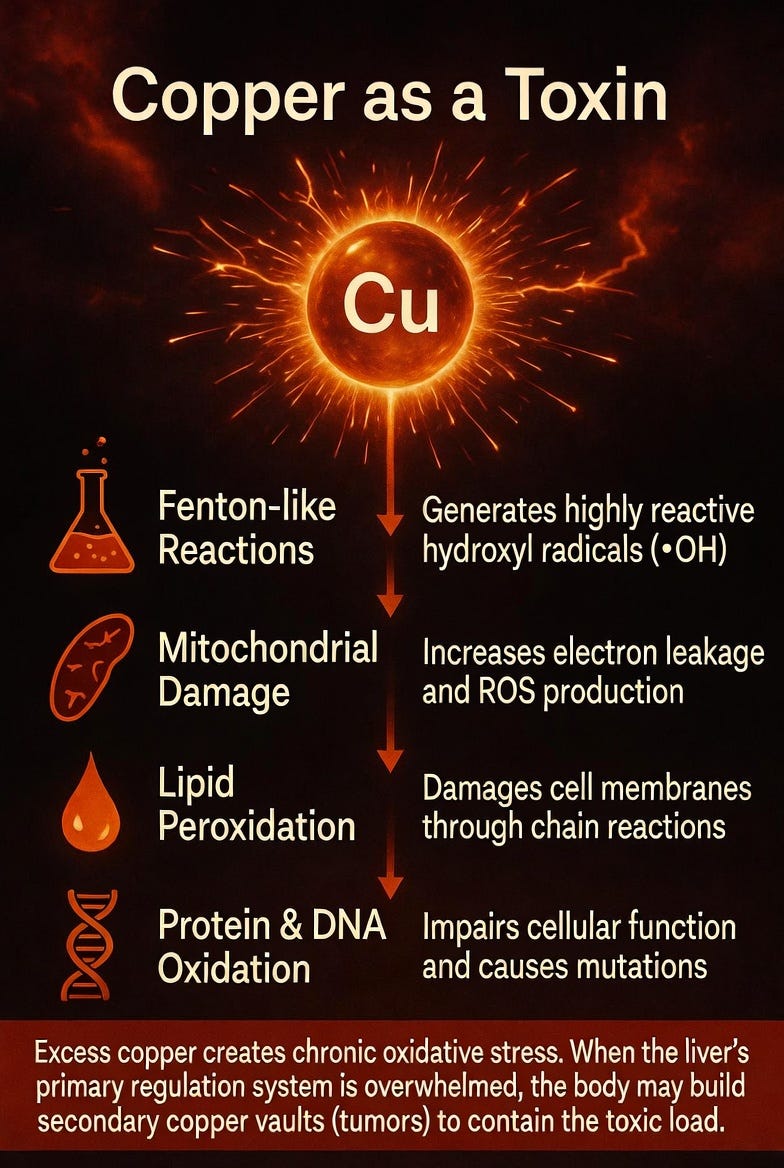
When the body’s copper regulation system (centered in the liver, using proteins like ceruloplasmin) becomes overwhelmed, circulating copper rises. At this point, the body faces the same dilemma it faces with iron, oxalates, and seed oils: it must either allow widespread oxidative damage or create a secondary containment system.
This is where tumors often enter the picture.
Cancer as the Body’s Secondary Copper Vault
When the liver’s capacity to safely regulate and excrete excess copper becomes overwhelmed, the body turns to its backup strategy: building secondary copper vaults.
Cancer cells in many aggressive tumors show a striking pattern. They dramatically upregulate copper transporters (especially CTR1) and accumulate higher levels of intracellular copper than surrounding normal tissue. Far from being passive, these cells actively pull in and manage excess copper.
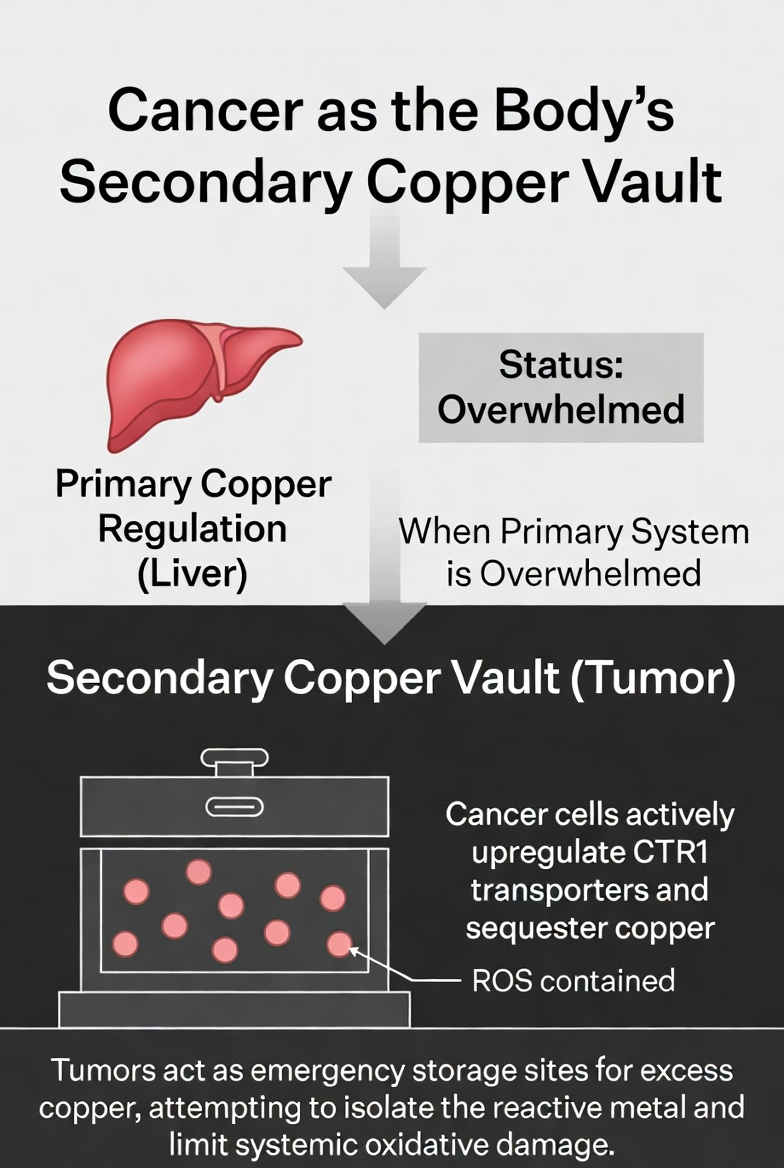
This behavior fits the TST pattern we’ve seen with iron, seed oils, and other toxins. The tumor acts as a specialized storage and containment site. By sequestering copper, the body attempts to:
Isolate the reactive metal away from vital organs
Limit uncontrolled ROS production in the rest of the body
Create a localized environment where the toxic load can be better managed (even if it comes at a high metabolic cost)
Many cancers — including breast, lung, colorectal, prostate, and glioblastoma — exhibit elevated copper levels and upregulated copper-handling machinery. In essence, these tumors are functioning as the body’s emergency copper sequestration sites when primary systems are insufficient.
How Cancer Cells Store Copper
Cancer cells don’t just tolerate excess copper — they actively manage it with sophisticated storage systems, much like they do with iron.
The process typically follows this pattern:
Increased Uptake Aggressive cancer cells dramatically upregulate CTR1 (copper transporter 1), the primary high-affinity copper importer on the cell surface. This allows them to pull in far more copper than normal cells.
Safe Storage via Metallothioneins Once inside the cell, free copper is rapidly bound by metallothioneins — small, cysteine-rich proteins that act as the copper equivalent of ferritin for iron. Metallothioneins safely sequester copper ions, preventing them from participating in uncontrolled Fenton-like reactions that would generate massive ROS and damage the cell.
Controlled Utilization The tumor keeps a portion of copper available (but tightly regulated) for its own needs, such as powering copper-dependent enzymes like lysyl oxidase, which helps build new blood vessels and supports metastasis.
This storage strategy allows cancer cells to survive in a high-copper, high-ROS environment that would kill most normal cells. It is a classic example of the body creating a specialized secondary vault — one that can handle a toxic metal load while still functioning.
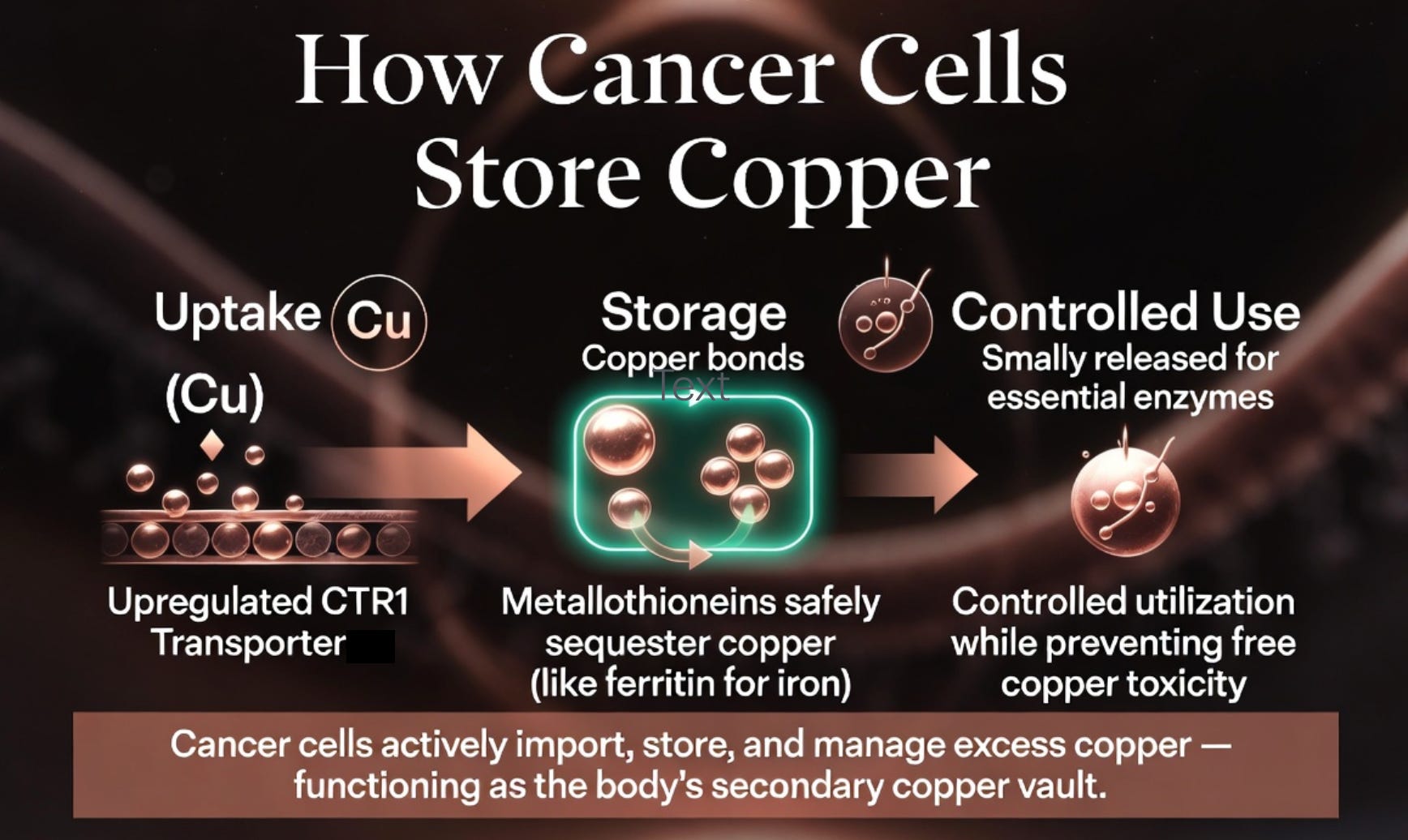
Studies consistently show that many “aggressive” tumors (breast, lung, prostate, colorectal, and brain cancers) have both higher CTR1 expression and elevated metallothionein levels compared to normal tissue. The more advanced or metastatic the cancer, the more pronounced this copper-handling machinery often becomes.
In short, when the liver’s primary copper regulation system is overwhelmed, tumors step in as emergency storage facilities — pulling in, binding, and managing excess copper to limit systemic damage.
Evidence Supporting the TST View
The idea that tumors serve as secondary copper vaults is not speculative — it is supported by consistent patterns observed across multiple cancer types.
Cancer cells frequently show dramatic upregulation of copper transporters. Moreover, studies have found elevated copper concentrations inside tumors of the breast, lung, prostate, colorectal, pancreatic, and brain (glioblastoma), often significantly higher than in surrounding healthy tissue.
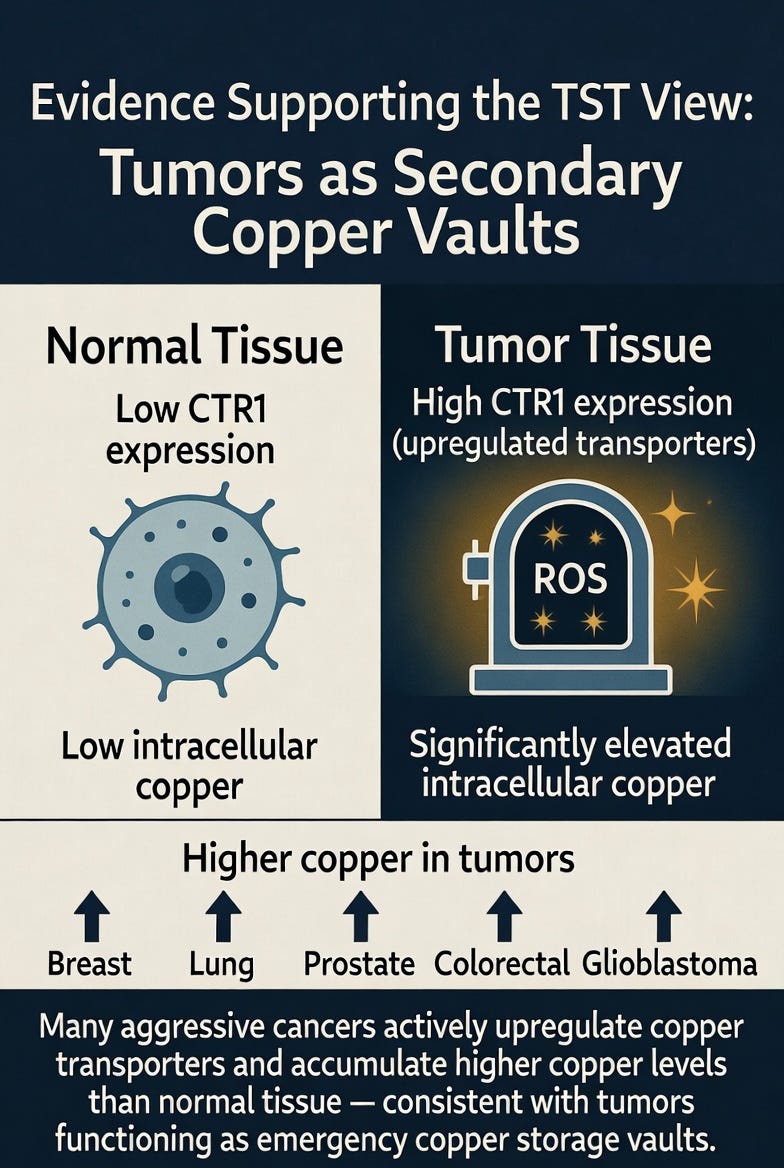
Further supporting this view:
Copper levels often correlate with cancer aggressiveness and metastatic potential.
Many tumors upregulate copper-binding proteins (metallothioneins) as a way to buffer and store the metal safely.
Reducing systemic copper availability (through chelators or dietary strategies) has shown anti-cancer effects in several studies, consistent with lowering the need for secondary vaults.
In short, the data strongly suggests that tumors are not randomly accumulating copper — they are functioning as specialized containment sites when the liver’s primary regulation system is insufficient.
Toxin-to-Organ Mapping for Copper
Copper preferentially drives cancer in the breast and prostate.
Breast is the organ most strongly connected to copper-driven cancers. Breast tumors consistently show higher copper levels than surrounding healthy tissue. Estrogen promotes copper retention, and cancer cells respond by upregulating CTR1 transporters and metallothioneins to sequester the excess metal.
Prostate follows closely. Prostate cancer cells also upregulate copper transporters, and both serum and tumor copper levels are frequently elevated. Androgens further increase copper accumulation in prostate tissue.
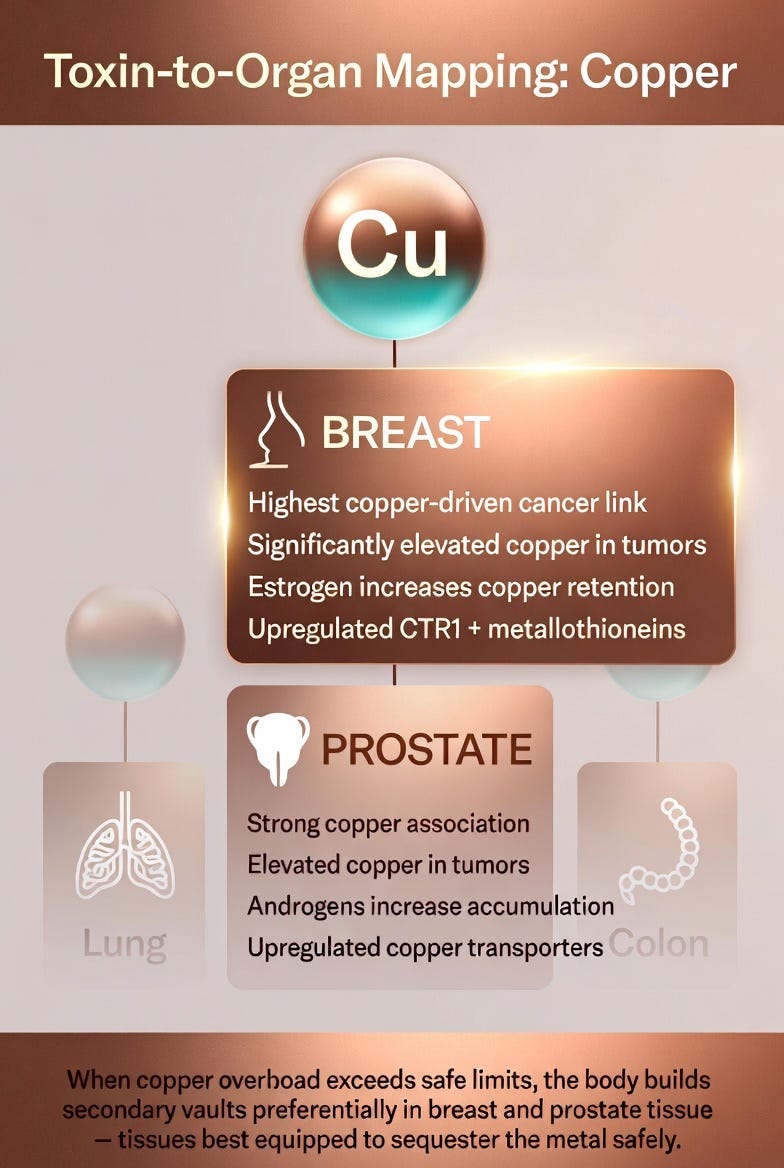
Lung and colon tumors occur less often with copper overload. In every case, the body selects tissues that are either most burdened by excess copper or best equipped to safely sequester it without immediately threatening survival.
This is not random. It is an intelligent, evolutionarily refined strategy — building secondary copper vaults in hormonally sensitive tissues capable of strong local binding and storage.
Copper’s Impact on Fertility and Reproductive Organs
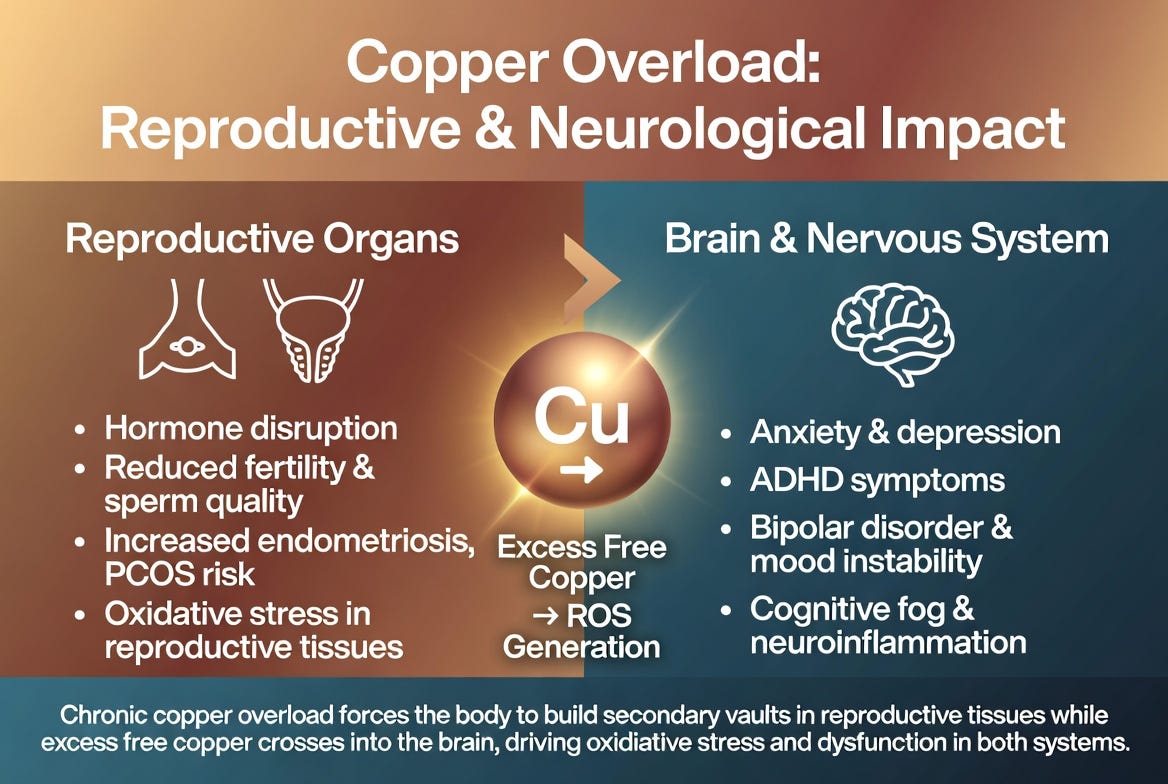
Excess copper is particularly disruptive to reproductive health. High copper levels interfere with hormone balance, impair egg and sperm quality, and promote oxidative stress in reproductive tissues. Elevated copper has been linked to:
Endometriosis and PCOS
Reduced fertility and higher miscarriage risk
Lower sperm motility and count in men
Because breast and prostate tissue are already major secondary copper vaults, it’s no surprise that copper overload manifests strongly in reproductive organs. The body’s attempt to sequester excess copper in these hormonally active tissues can come at the cost of fertility and reproductive function.
Copper’s Impact on the Brain
Free (unbound) copper is highly neurotoxic. When copper regulation fails, excess free copper can cross the blood-brain barrier and generate oxidative stress in neural tissue. This is strongly associated with:
Anxiety and depression
ADHD symptoms
Bipolar disorder
Mood instability and cognitive fog
Many people with copper overload report neurological symptoms that improve when copper-zinc balance is restored. In extreme cases (such as Wilson’s disease), copper accumulation in the brain causes severe psychiatric and neurological damage. In milder modern cases, chronic low-grade copper excess likely contributes to the rising rates of anxiety, depression, and attention disorders.
The Copper Conspiracy
Copper is a confusing and divisive topic. But there is a reason for that. I believe there’s been a conspiracy to push copper on the public and to hide the dangers of copper from the public. I have coined the term “the copper conspiracy” to describe this. Around 1927, copper water pipes were first introduced into American homes, and so it looks like the copper conspiracy began roughly a century ago. The first copper IUD was introduced in 1967, with FDA approval in 1976, further adding to the conspiracy. In recent years, there have been massive social media pushes to promote copper water bottles and copper supplements, and to promote liver as a “superfood”.
Meanwhile, stories of people suffering tremendously from copper toxicity have been completely buried from media coverage. You can read some of these heartbreaking stories at the coppertoxic website. These are real people whose lives have been devastated by copper.
Implications & Treatment Angle
Instead of solely focusing on killing copper-accumulating cancer cells, a more intelligent strategy is to reduce the overall copper burden that forces the body to build and maintain these vaults in the first place.
Practical considerations include:
Support liver function: The liver is the primary regulator of copper. Improving liver health through diet and toxin avoidance may decrease the need for secondary vaults.
Address estrogen dominance: Since estrogen raises copper retention, balancing hormones may help lower systemic copper load.
Be cautious with high-copper sources: Copper IUDs and frequent consumption of liver, shellfish, chocolate, and nuts may add to the burden.
Consider copper antagonists carefully: Minerals like zinc, molybdenum, and selenium can support copper excretion and balance, and many people are deficient in them. But they should be used carefully to avoid creating imbalances.
Avoid blindly attacking the vault: Therapies that aggressively target copper-dependent processes in tumors may provide short-term shrinkage but could force the body to create new vaults elsewhere if the underlying overload isn’t addressed.
The goal in TST is not to eradicate every last copper-loving cancer cell, but to lower the toxic pressure so the body no longer needs these emergency storage sites.
Conclusion
The rising prevalence in society of breast and prostate cancers, along with infertility and mental disorders, may reflect the growing trend of copper overload. Similar to glucose, iron, and estrogen, copper plays a physiological role and yet behaves as a potent toxin when in excess. This allows us to argue that copper fits well into Toxin Sequestration Theory: Cancer cells love copper simply because their job is to sequester toxins, and in modern times of copper excess, copper is behaving as a toxin.
On a personal note, I am intentionally on a low copper diet. That’s allowing me to experience the wonderful pleasures of copper dumping (where the body tries to mobilize and excrete copper). I kindly ask readers to be careful with copper intake, because it really hurts on the way out.
The "surprising link because Vitamin D and..
I thought of you when this doctor was speaking about autism, carnivore and of course my favorite Vit D3