
Cancer sequesters glucose to detoxify the body
It’s well known that cancer tumors pull in glucose. I argue that they do this to protect the body from hyperglycemia and the toxic effects of glucose.

Recap of Toxin Sequestration Theory
For decades, we have been told that cancer is selfish, evil, and malignant. But now, a new theory of cancer has emerged, and there is renewed hope for a deeper understanding of the origin of cancer.

I discussed this new theory - called Toxin Sequestration Theory (TST) - in a previous blog post. This theory was pioneered by Stephanie Seneff and Anthony Kyriakopoulos, who argued that cancer cells hoard deuterium in order to protect the body from deuterium’s toxic effects, implying that cancer tumors are actually UNSELFISH. Similarly, Garrett Smith discussed how the body creates cancer tumors to sequester copper and heavy metals to minimize their toxic effects.
My contribution was that I unified their perspectives by arguing that cancer sequesters any chemical that would lead to the generation of Reactive Oxygen Species (ROS). This is because ROS are harmful to the body, and cancer tumors are created to help the body store toxins that would otherwise create ROS.
This new theory could have profound implications for how we treat cancer, as it suggests that cancer itself is not a disease, it is merely a symptom of toxic overload. Hence any treatment for cancer should focus on reducing this toxic load, i.e., detoxification.
In this blog post, I will add another toxin to the list: glucose.
Cancer tumors pull in glucose
It’s already well known that cancer has an insatiable appetite for glucose. Cancer cells upregulate glucose transporters—primarily GLUT1—to actively pull excess circulating glucose into the tumor. GLUT1 expression is frequently elevated 10- to 100-fold in cancer tissues compared to adjacent normal tissues. This massive transporter increase enables cancer cells to achieve 2- to 10-fold higher glucose uptake rates than normal cells.
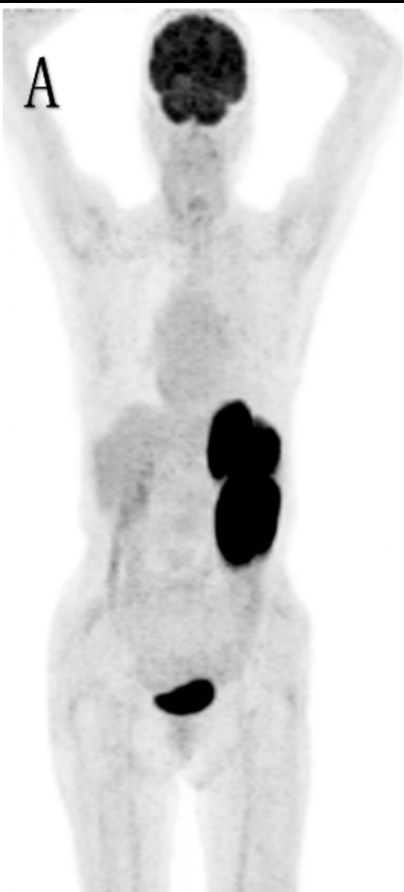
PET scan images illustrate this beautifully. During a PET scan, patients receive an injection of a radioactive version of glucose and this chemical is transported into cells via glucose transporters. Because cancer cells upregulate their glucose transporters, the resulting PET images show bright, “hot” spots where the cancer tumors are located.
A different perspective on cancer and glucose
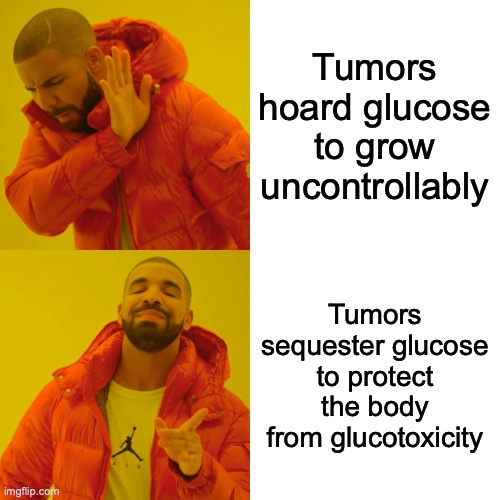
Why does cancer do this? In Thomas Seyfried’s metabolic theory of cancer, he argues that cancer just wants to grow uncontrollably, so it pulls glucose in as a fuel source for its growth. So glucose is just a fuel for growth and nothing more. This viewpoint is fairly mainstream at this point. But is it correct?
I will provide a completely different view: glucose is a toxin and cancer is being a team player. The toxic effects of glucose, called glucotoxicity, are well documented in the literature. In my view, a key job of a cancer tumor is to protect normal cells from glucotoxicity, by rapidly pulling glucose into itself. Cancer tumors are therefore the body’s defense mechanism against the toxic effects of hyperglycemia.
Glucose as a toxin
Glucose has a physiological role that is essential for life. But when levels stay chronically high—due to high-carb diets and insulin resistance—glucose crosses the line from nutrient to toxin. In the modern world, glucose is everywhere—pushed as “energy” in cereals, sodas, and sports drinks. As a result, roughly 50% of Americans (yes, half of Americans!) have either diabetes or prediabetes according to the CDC.
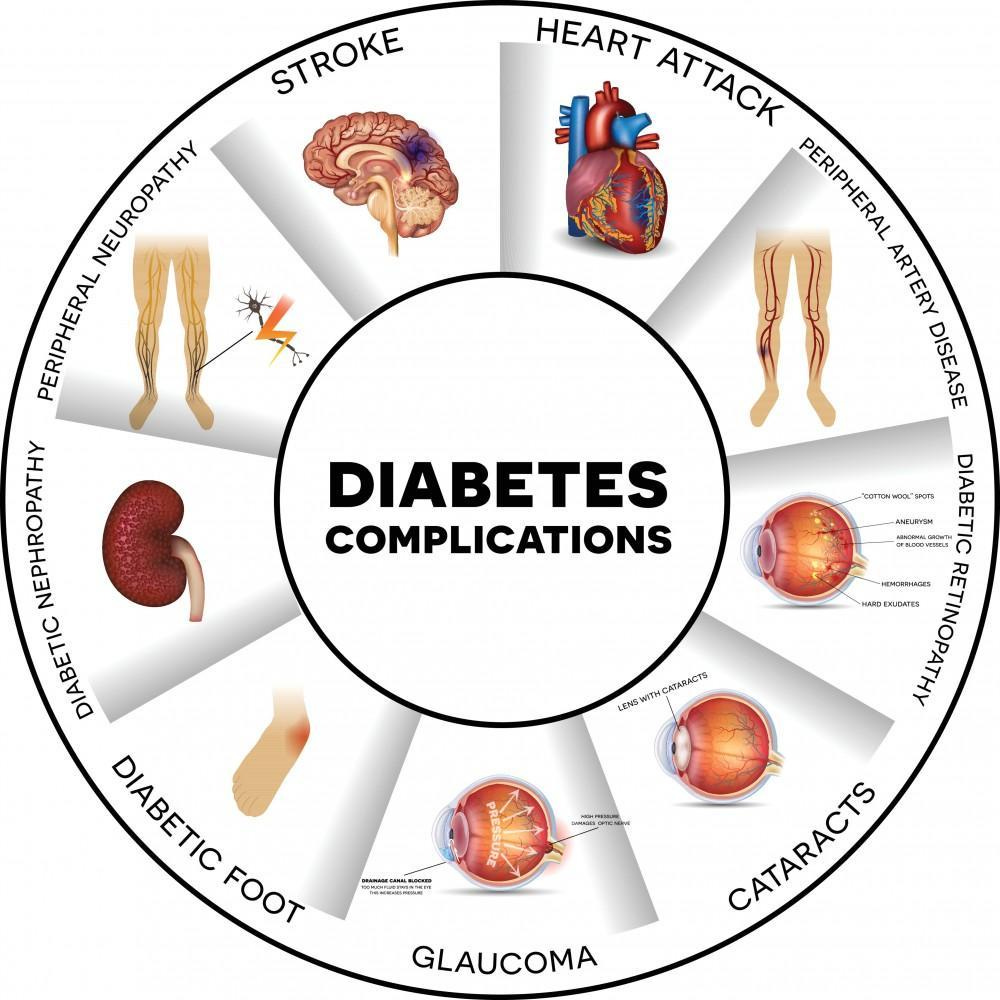
The medical literature has long described “glucotoxicity” as a phenomenon where prolonged hyperglycemia damages cells, tissues, and organs through mechanisms that generate massive oxidative stress. Indeed, the fact that glucose is a toxin helps to explain why diabetes is the “gateway disease” to so many other health problems. For example, it’s well known that diabetics suffer from tissue damage like retinopathy, neuropathy, and nephropathy. The fact that the tissue damage in diabetes is especially focused on the eyes, the neurons, and the kidneys is because the cells in those tissues lack the ability to down-regulate their glucose transporters in the presence of hyperglycemia. So hyperglycemia selectively damages those tissues.
Conversely, the fact that ketogenic diets - diets low in carbs (and hence low in glucose) - are incredibly healing to the body can also be taken as evidence of the power of removing this toxin from the diet.
All roads lead to ROS
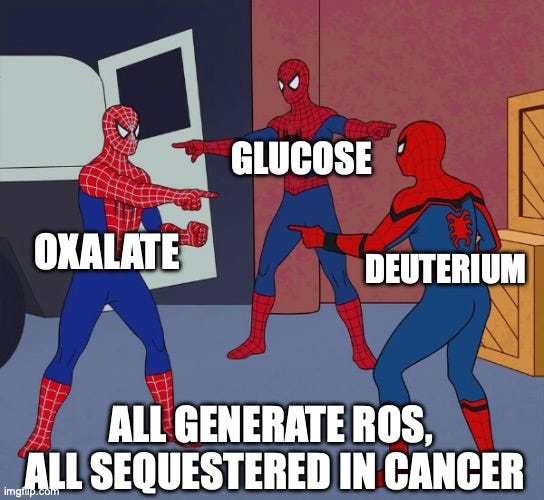
As we will see, the microscopic mechanism behind glucotoxicity is the tendency of glucose to generate ROS. Yes, this is the exact same ROS that appears in the Toxin Sequestration Theory (TST) of cancer! This allows us to argue that glucose is no different from oxalates, copper, heavy metals, and deuterium - all of them create ROS, and all of them are sequestered by cancer tumors.
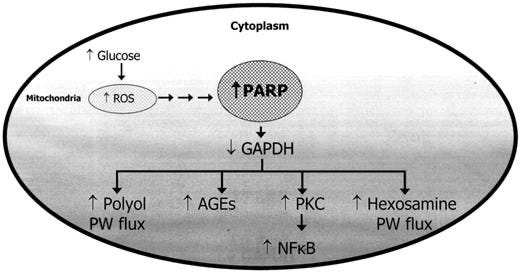
Let’s dive deeper into the mechanism of glucotoxicity. Michael Brownlee wrote a beautiful paper about this. Please do check out his paper, as it provides the factual basis for my blog post. Brownlee notes that the research community was aware of four different pathways by which glucose could cause tissue damage. At first it seemed like these four pathways were unrelated. But fortunately the research community was able to eventually unify these pathways under one umbrella, and it was ROS production that provided the unification.
The figure below shows the unified mechanism. While the technical details of this figure are not important to understand for my blog, just note the following: the entire toxicity of glucose is downstream of the production of ROS. In other words, the production of ROS by excess glucose is the key first step in setting off a cascade of biochemical events that eventually lead to tissue damage. So ROS provides the underlying mechanism of glucotoxicity.
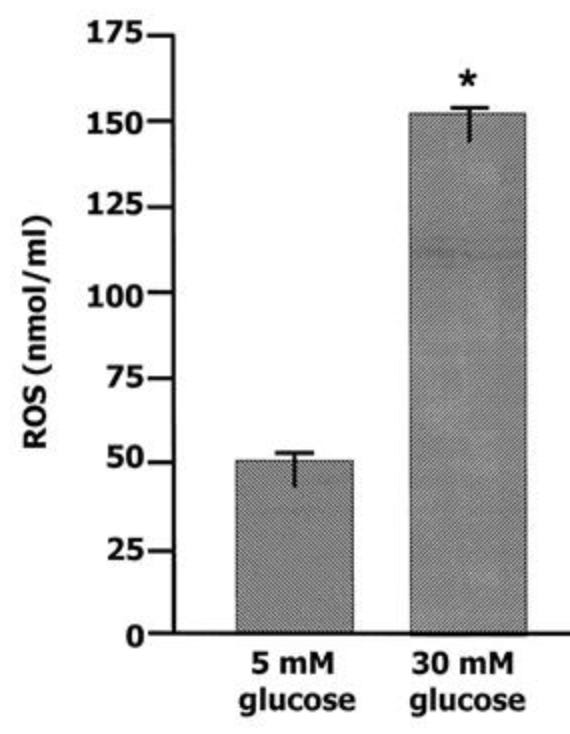
Brownlee also discusses direct experimental evidence that glucose leads to ROS production in endothelial cells (i.e., the cells the line blood vessels). The figure below shows some of this direct evidence.
Revisiting TST theory
Recall from my previous post the key predictions of TST. Any toxin that creates large amounts of ROS (1) should be classified as a carcinogen and (2) should be preferentially pulled into cancer tumors. We just discussed how glucose creates ROS.
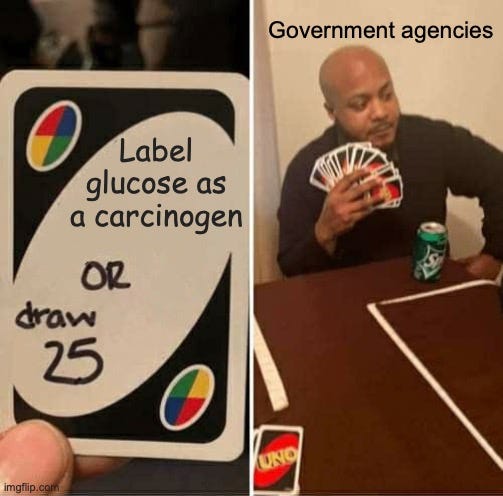
So TST predicts that glucose should be considered a carcinogen. I was unable to find any mainstream reference that labels glucose as a carcinogen. That seems strange to me, since epidemiology studies show that type 2 diabetes (chronic hyperglycemia) is a major risk factor for various cancers. (Meta-analyses show 20-100% increased risk of cancer from type 2 diabetes, depending on the site of the cancer, with particularly strong links for liver and pancreatic cancer.) I therefore believe that governmental bodies are not accurately reflecting what we know about glucose, and I believe glucose should be labeled as a carcinogen.
The second prediction of TST is that glucose should be preferentially pulled into cancer tumors. This is clearly true as cancer cells upregulate their glucose transporters. We already discussed this fact earlier in this blog post.
Warburg metabolism as a detox pathway
Now let’s offer a new interpretation of the Warburg effect, where cancer cells ferment glucose to lactate even when oxygen is available. In our TST theory, the Warburg effect is not a defect or selfish energy grab. Rather it is the body’s pathway for detoxing glucose. Excess glucose acts like a toxin, flooding normal mitochondria and sparking ROS. Cancer cells handle this by rushing glucose through glycolysis in the cytosol, largely skipping the mitochondria to avoid uncontrolled ROS leakage that would harm the rest of the body. The tumor becomes a contained bioreactor: it pulls in the circulating glucose toxin, neutralizes its oxidative threat, and exports lactate as a managed byproduct.
Think of it as analogous to the liver handling ethanol. When you drink alcohol, the liver prioritizes detox over efficient energy production: it converts ethanol to toxic acetaldehyde, then quickly to acetate. Acetate is far less harmful. The liver accepts the energy cost because the alternative—letting ethanol roam freely—would rapidly destroy delicate tissues like neurons. Cancer cells do the metabolic equivalent: they ferment glucose to lactate, accepting lower ATP yield per glucose molecule so the original toxin never reaches normal-cell mitochondria in damaging amounts. Just as acetate is the liver’s safer end-product of ethanol detox, lactate is the tumor’s controlled output of glucose detox.
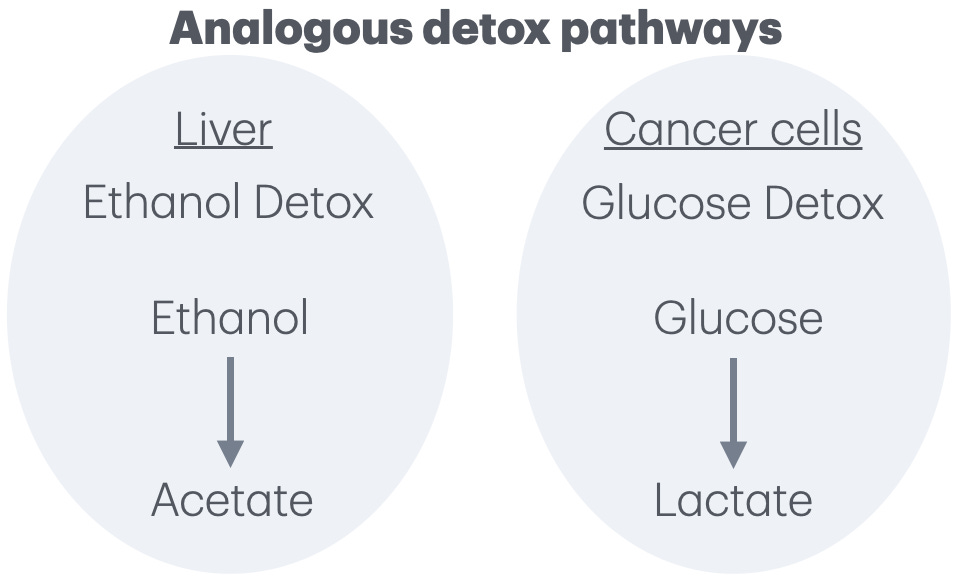
Strikingly, there is experimental evidence to support this view, from a 2022 study by Sebastian et al. The authors conclude that aerobic glycolysis can occur in non-proliferating cells, suggesting a role for the Warburg effect beyond biomass production in tumors. In other words, Warburg metabolism is not always used for cancer growth, which is agreement with TST.
Conclusion
In summary, I argued that:
Glucose is a toxin
Glucose’s toxicity is mediated via ROS production
Glucose is thus analogous to every other toxin that appears in TST
Arguably, glucose is the most important toxin for understanding the theory of cancer. After all, glucose is the “fuel source” at the center of Seyfried’s theory of cancer. Instead of viewing it as a fuel source, I provided a completely different view: glucose is yet another toxin that cancer tries to sequester and detoxify, and Warburg metabolism is the detox pathway. I believe this is an elegant unification in the theory of cancer, as it helps to explain why cancer cells change their metabolism, and it puts glucose on the same footing as every other ROS-generating toxin.
My post also suggests that hyperglycemia is a genuine (tissue-damaging) disease, while cancer is just a symptom of this disease. So treating cancer necessarily involves treating the underlying disease: hyperglycemia. It thus becomes clear why ketogenic, low-carb diets are effective treatments for cancer.
Fascinating!!! The TST theory makes absolute sense to me since I believe the body is incredibly intelligent, and strives to live as long as it can. Convetional medicine (sick care) and science in general are very myopic and money driven so good luck getting any traction with this.